Class 11 th notes for neet aspirants
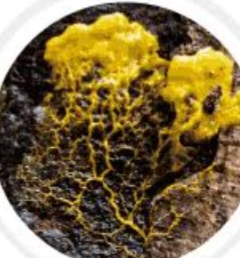
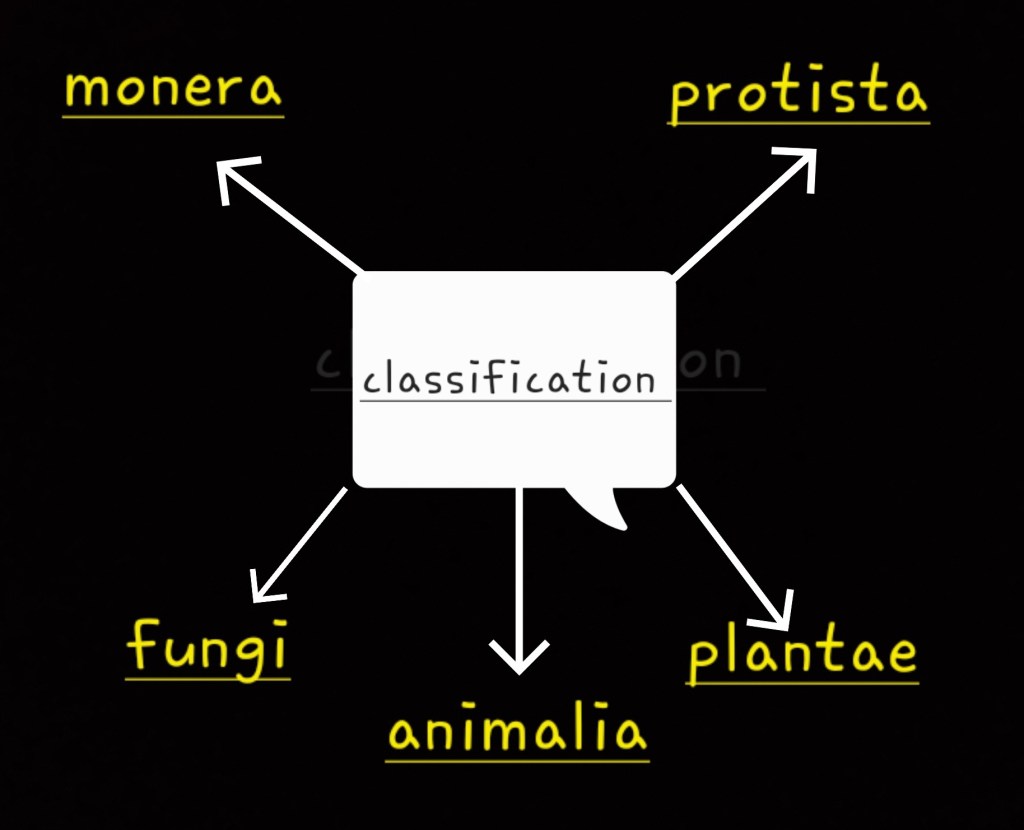
Classification
Monera
1. It involves all the prokaryotic organism .
2.Bacteria is the sole member of this kingdom.
3.Heterotrophic(sporophyte)bacteria are most abundant in nature.
4.Bacteria as a group show most extensive metabolic diversity.
5.The vast majority of bacteria are heterotrophs as they depend on other organism or on dead organic matter for food.
6.Bacteria structure is very simple, they are very complex in behaviour
7.Mycoplasma are the smallest living cell known .
-They lack a cell wall.
-They can survive without oxygen.
Types of bacteria on the basis of shape
1.spherical shaped – coccus
[Flagella is absent here]
2.Rod shaped – bacillus
[ most common form of bacteria ex-lactobacillus]
3.spiral shaped- spirillum
4.comma shaped- vibrium
Types of bacteria
1.Archaebacteria – They exist in most harsh habitats.
Archaebacteria differ from other bacteria in having a different cell wall structure and this feature is responsible for their survival in extreme conditions.
Types of archaebacteria-
1.halophiles – present in extreme salty areas.
2.Thermoacidophiles-present in hot springs .
3.methanogens – present in marshy areas and specially in the gut of ruminant animals such as cows and buffaloes and they are responsible for the production of methane (biogas) from the dung of these animals.
2.Eubacteria (TRUE bacteria)
-Cyanobacteria are also known as blue green algae
-Cyanobacteria are unicellular, colonial or filamentous.
-They have gelatinous stealth.
-some of them have specialised cell structure called heterocysts which fix atmospheric nitrogen .example of such organisms is nostoc and anabaena.
-Chemosynthetic autotrophic bacteria oxidise inorganic substance due to which energy is produced which soon get converted into atp and that atp is utilized to make food.
About reproduction
Bacteria mainly reproduces by fission but during unfavourable condition they produce spores.
They also adopt a primitive method of sexual reproduction such as –
1.Transformation-The transfer of DNA to a bacteria from another medium.
2.Conjugation-The transfer of DNA in the form of F PLASMID from one bacteria containing it to the other lacking it through a tube like structure formed by sex pilli .
3.Transduction-A virus mediated DNA transfer from infected bacteria to other bacteria.
Protista
It involves all the unicellular eukaryotic organism.
-The organisms in this kingdom are mainly aquatic.
This kingdom forms a link with the plants, Animals and fungi.
Being a eukaryote ,they have a well defined nucleus and organelles.
-They reproduce asexually by cell fusion and sexually by zygote formation.
The boundaries of this kingdom are not well defined.
 Brightstudyspot